
Brookdale Students Lead Powerful Women’s History Month Conversation on Education, Justice, and the Future
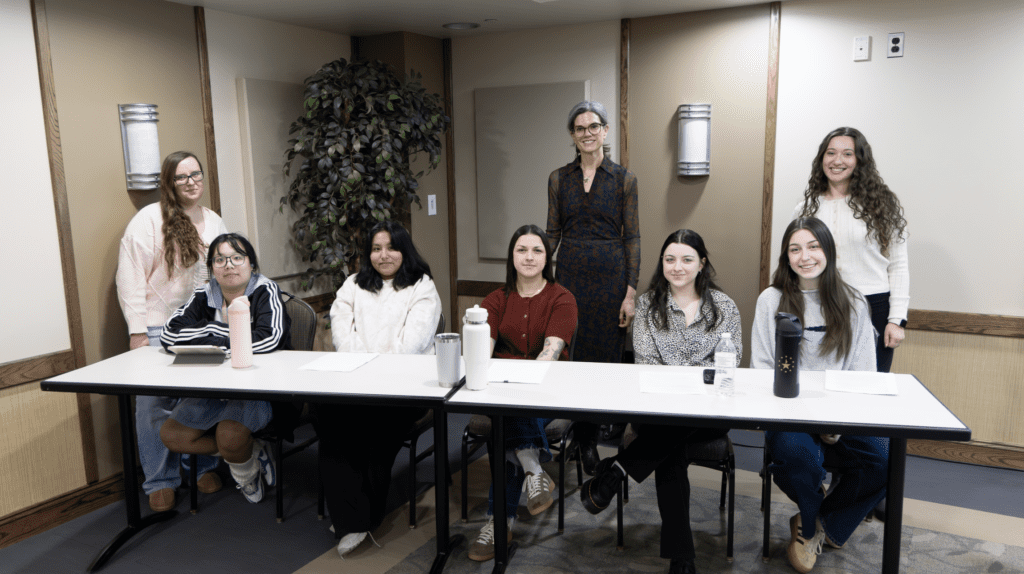
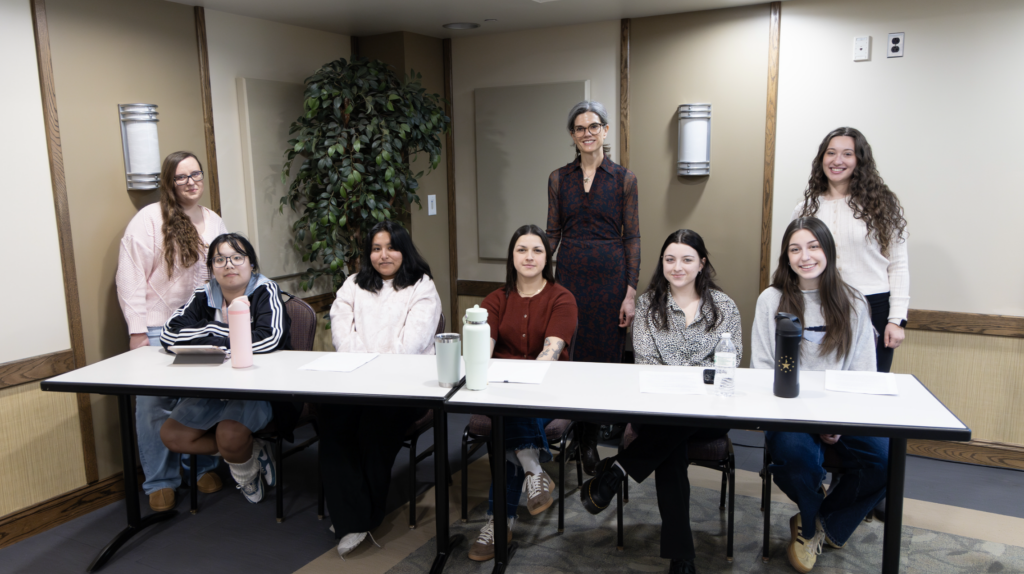
In recognition of Women’s History Month, students in Brookdale Community College’s Women in Learning and Leadership (WILL) Program hosted a powerful panel discussion exploring issues affecting women, families, and marginalized communities today.
Moderated by Amanda Cullen, a Health Science major and member of the WILL Club, and Kaitlin Gilmore, a Health Science major, honors student, and Secretary and Internal Communications Officer for the WILL Club, the event brought together student speakers who examined topics ranging from press freedom and immigration history to reproductive rights and postpartum support.
Through research, personal stories, and historical context, the students challenged the audience to remain informed, engaged, and committed to progress.
At the heart of the conversation was a shared message: education empowers individuals and strengthens communities, and the progress made by generations before us must continue moving forward.
“Educated women build stronger families and communities,” the panel emphasized. “Education strengthens communication, encourages shared decision-making, and creates opportunities not just for one person, but for entire generations.”
Throughout the discussion, students highlighted how access to education and opportunity affects every area of life, from health and employment to civic engagement and family stability.
The Importance of Education and Opportunity
Riley Kessler, a history major on a pre-law path, president of the Women in Learning and Leadership Club, and a member of the WILL academic program working toward a Women’s and Gender Studies certificate, opened the panel by speaking about women’s access to education and opportunity.
Drawing on historical context, Kessler reminded the audience that progress in education has played a key role in expanding opportunities for women.
“Education allows women to claim their power and shape their futures,” she said. “The more educated we become, the more powerful we are in creating change.”
The Power of Information
First-year history major Olivia Devaney spoke about the importance of journalism and the press’s role in informing society and drawing attention to injustice.
Devaney emphasized that access to accurate information remains essential for healthy communities and an engaged public.
“Society has always relied on the power of the written word,” she explained. “Journalists help ensure that important stories are told and that people remain informed about the world around them.”
Learning From Immigration History
Brianna Paredes, a psychology major, member of the WILL academic program, and Treasurer of the Women in Learning and Leadership Club, examined the historical treatment of immigrant communities in the United States.
Her presentation connected past policies and attitudes with current conversations about immigration and belonging.
“History shows us how fear and misunderstanding can shape policies and communities,” Paredes said. “Learning from that history helps us build a more inclusive future.”
Understanding Reproductive Rights
Ruizhe Zhang, an English major, member of the WILL academic program, and international student, presented research on reproductive rights and how laws and court decisions have shaped access to reproductive healthcare over time.
Zhang explained how questions of bodily autonomy and healthcare access remain central to conversations about equality.
“Through research and dialogue, we can better understand how social issues intersect and affect people’s lives,” Zhang said.
Supporting Families After Birth
The final presentation was delivered by Marisol Gonzalez, a psychology major, member of the Women’s and Gender Studies Academic Program and WILL Academic Program, and Vice President of the Women in Learning and Leadership Club.
Drawing on research and personal experience as a mother, Gonzalez spoke about the lack of paid postpartum family leave in the United States and the impact it can have on families.
“Parents should have the time and support they need to bond with their children and care for themselves during this critical period,” Gonzalez said. “Supporting families benefits individuals, workplaces, and communities.”
Listening to Student Concerns
During the discussion, moderators Cullen and Gilmore also shared concerns gathered from students during recent campus tabling events. Words such as poverty, mental health, homelessness, disability, and healthcare access emerged as issues many students worry about as they look toward the future.
“These are not abstract ideas,” the moderators explained. “These are real fears and lived experiences from students sitting in classrooms right now.”
The panel concluded with a message of unity, education, and action.
“Progress requires courage and persistence,” the students said. “Education gives us the tools to build a better future.”
To close the event, the panel shared a quote from poet and scholar Adrienne Rich:
“An education is not something that you get, but something that you claim.”
The message reflected the spirit of the afternoon, a reminder that learning, leadership, and advocacy remain powerful forces for change.
“We cannot and will not go back,” the students said. “And we hope everyone here will move forward with us.”